Recycling Plastic: From old plastic, new products.

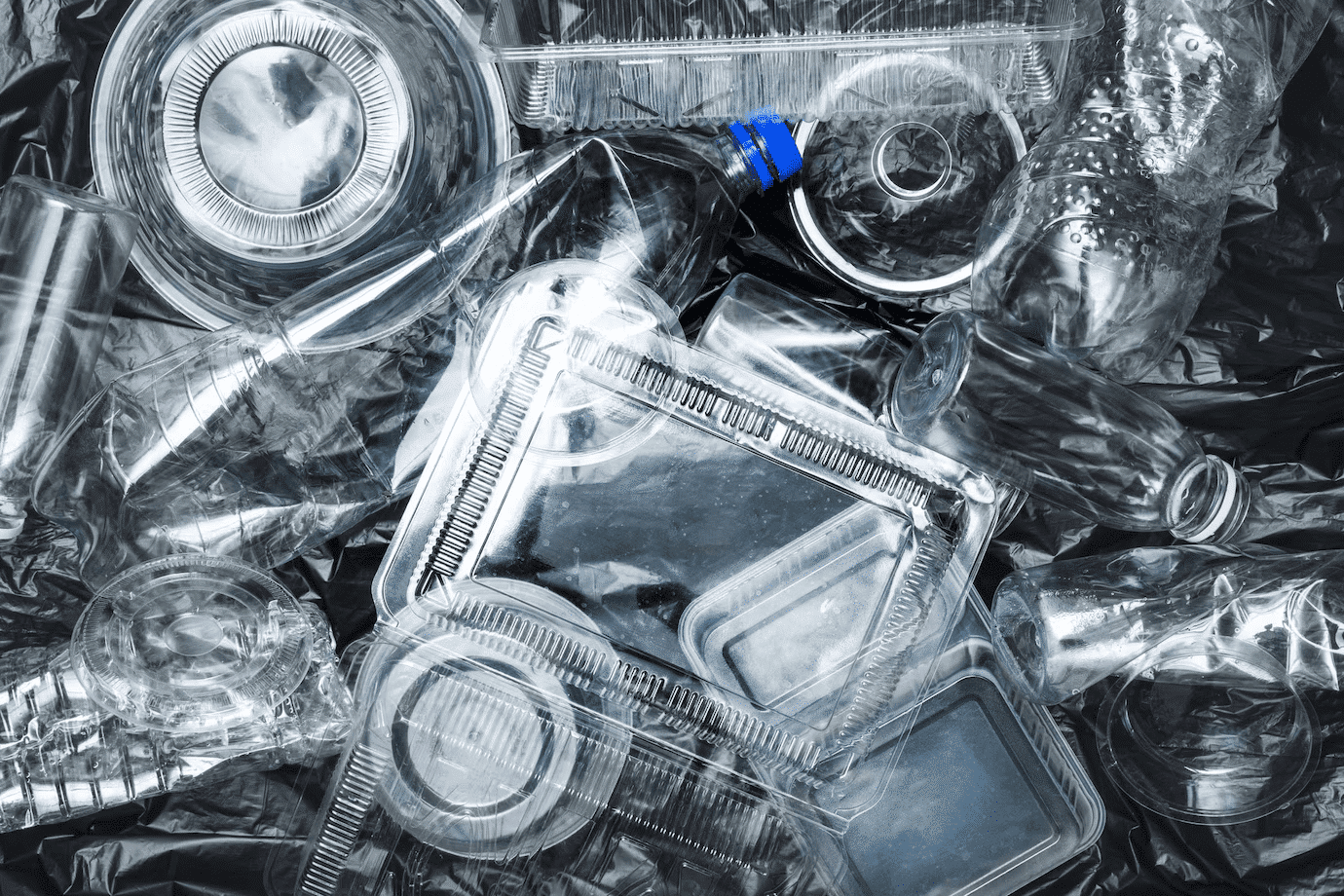
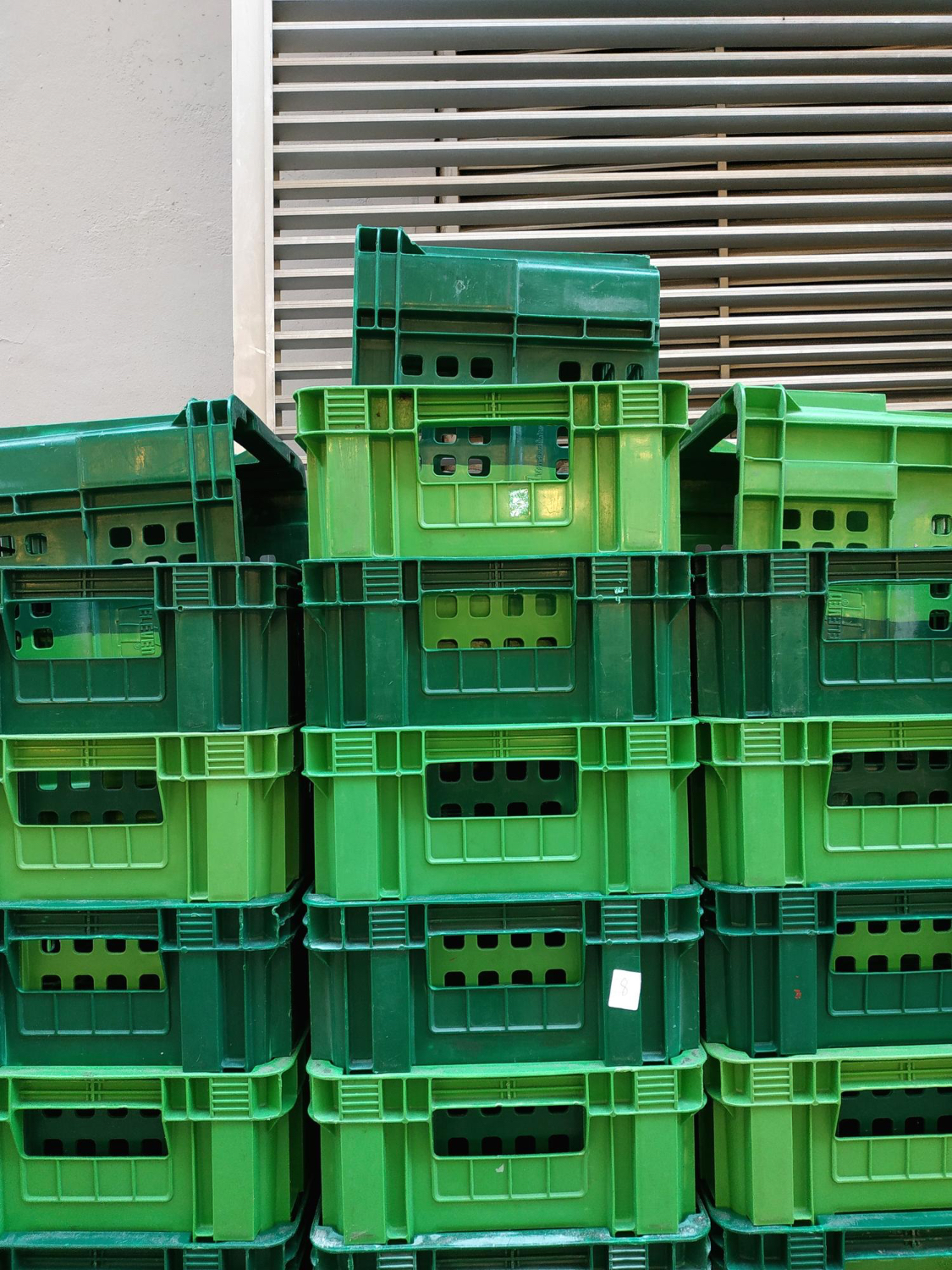
Rigid plastic, used for pallets, crates and other industrial products, is a major source of pollution. This material can persist in the environment for hundreds of years, accumulating and affecting soil and water. By properly recycling rigid plastics, we can reduce the environmental impact and help create a cleaner and more sustainable environment.

Benefits of Rigid Plastic Recycling

  1. Reduce costs and use materials efficiently: Rigid plastics, such as crates and pallets, can be reintroduced into the production cycle, reducing waste and raw material costs.
  2. Protect natural resources: By recovering used plastics, dependence on oil and other finite resources is reduced.
  3. Create new and useful products: The recycled material can be turned into sustainable construction products, furniture or packaging, contributing to the circular economy.

Stages of the Recycling Process

  1. Collecting: Plastic is collected by recycling programs or specialized centers.
  2. Sorting: Materials are sorted by type (PE, PP, PET, etc.) for correct processing.
  3. Cleaning: Plastic is washed to remove impurities such as food scraps or labels.
  4. Tap: The material is made in small pieces to facilitate reprocessing.
  5. Reprocessing: The pieces of plastic are melted down and turned into pellets, which are used in the production of new objects.

Ecorep - Transforming rigid plastics into new resources

Ecorep offers integrated services for the collection and recycling of rigid plastics, including crates, pallets and other hard plastic products. Working with us, you will reduce waste, optimize material management costs and support the circular economy through a sustainable and efficient process.

Contact us to explore the benefits of a long-term collaboration.