


Recycling Glass: Protecting Resources, Building the Future
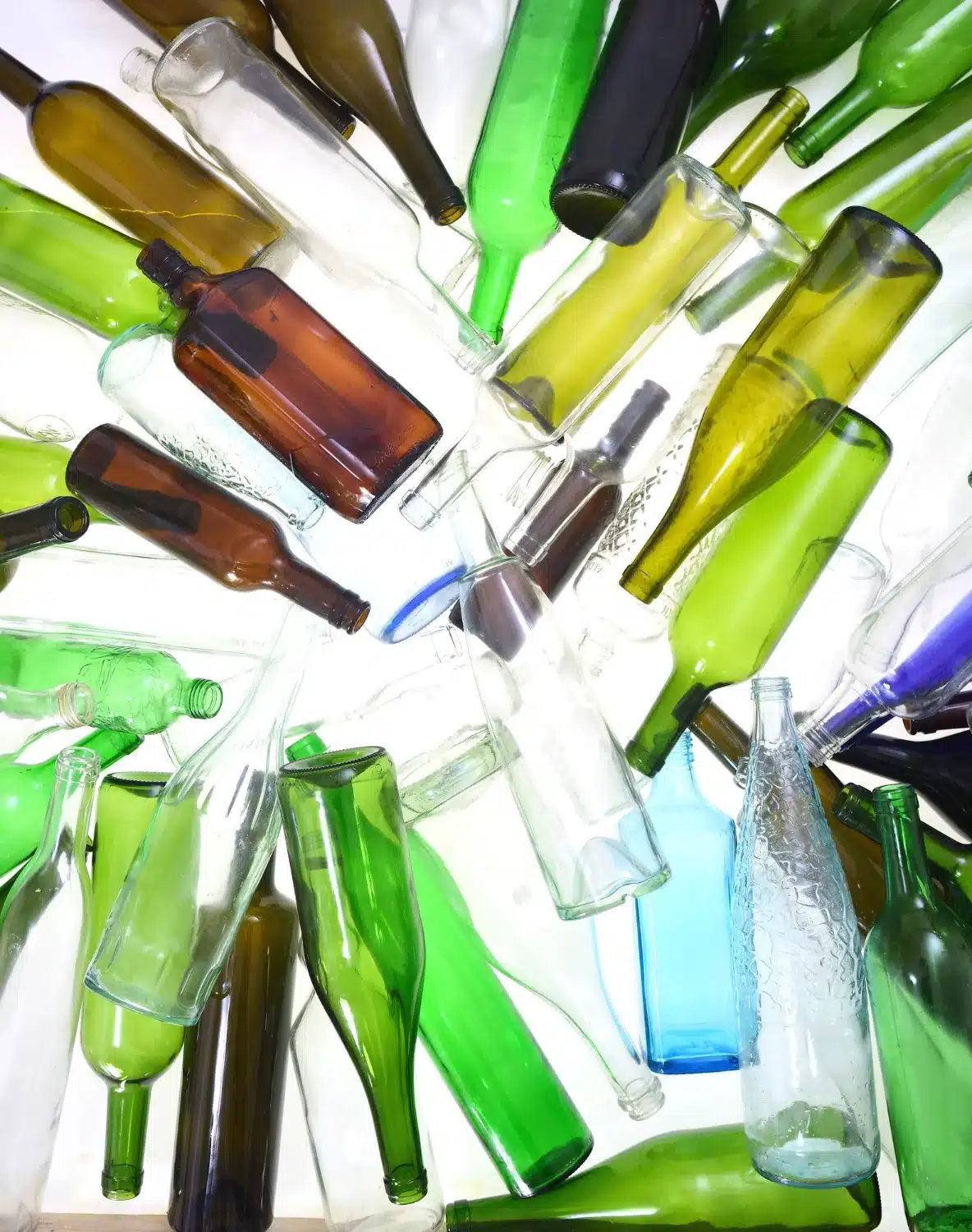
Glass is a fully recyclable and highly versatile material, making it perfect for supporting a circular economy. Recycling glass not only helps reduce pollution but also conserves natural resources. Being able to be recycled endlessly without losing its properties, glass is one of the most effective materials for protecting the environment and promoting sustainability.
Benefits of Recycling Glass
- Protect natural resources: Recycling glass reduces the need to extract raw materials such as sand, limestone and soda, conserving the planet's resources.
- Saving energy: Making recycled glass requires much less energy than producing new glass, contributing to efficiency and sustainability.
- Reducing environmental impact: Processing and recycling reduces carbon dioxide emissions and the amount of waste sent to landfill.
The stages of glass recycling
- Collection: Used glass is collected separately from other waste to facilitate the recycling process.
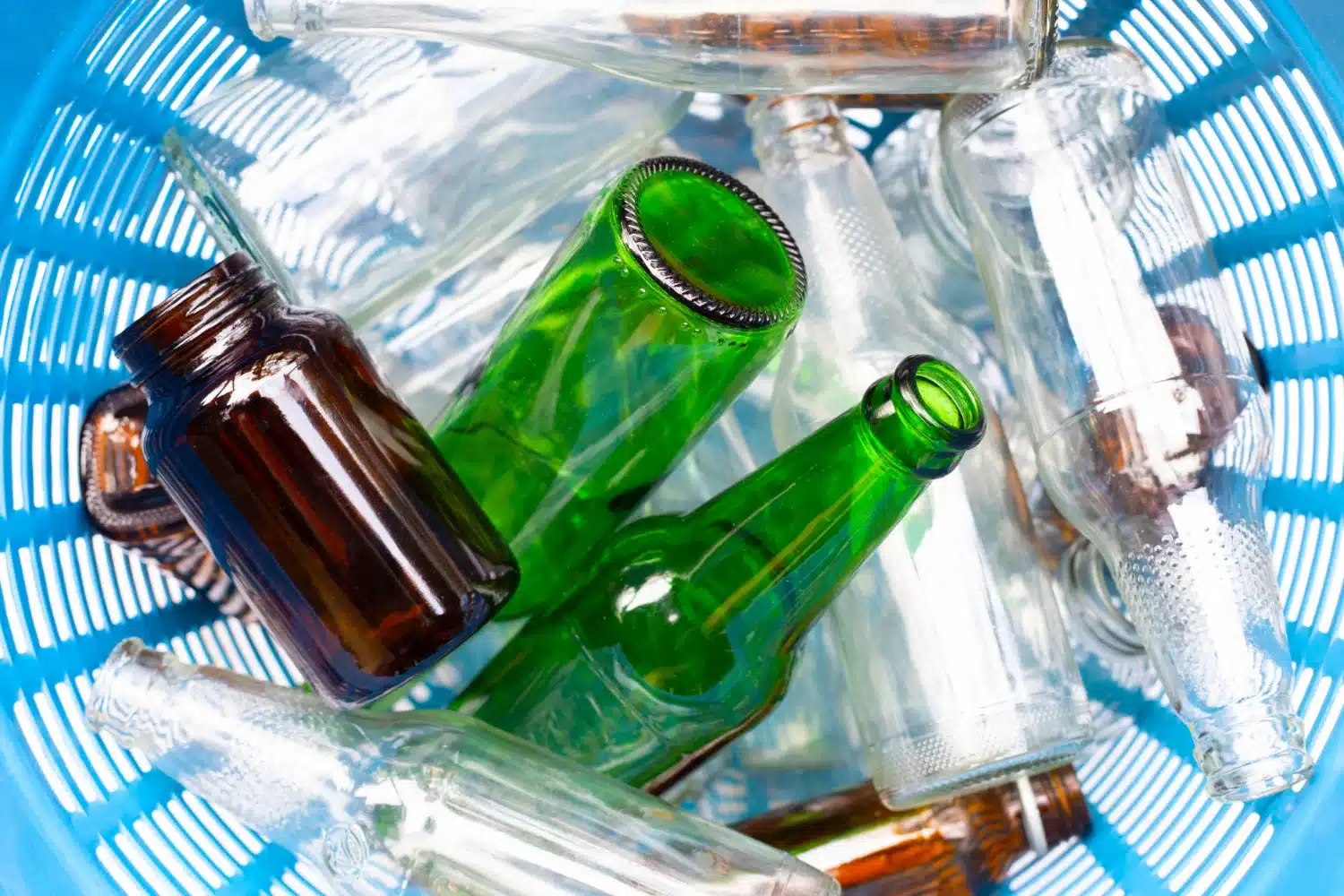
- Sorting: The material is sorted by color (clear, green, brown), as mixing colors can affect the quality of recycled glass.
- Cleaning: Glass shards are washed to remove impurities such as caps, labels or residues.
- Grinding: The cleaned glass is crushed into small fragments ready for melting.
- Manufacturing new products: Recycled glass is melted down and used to create new containers, building materials or decorative objects.


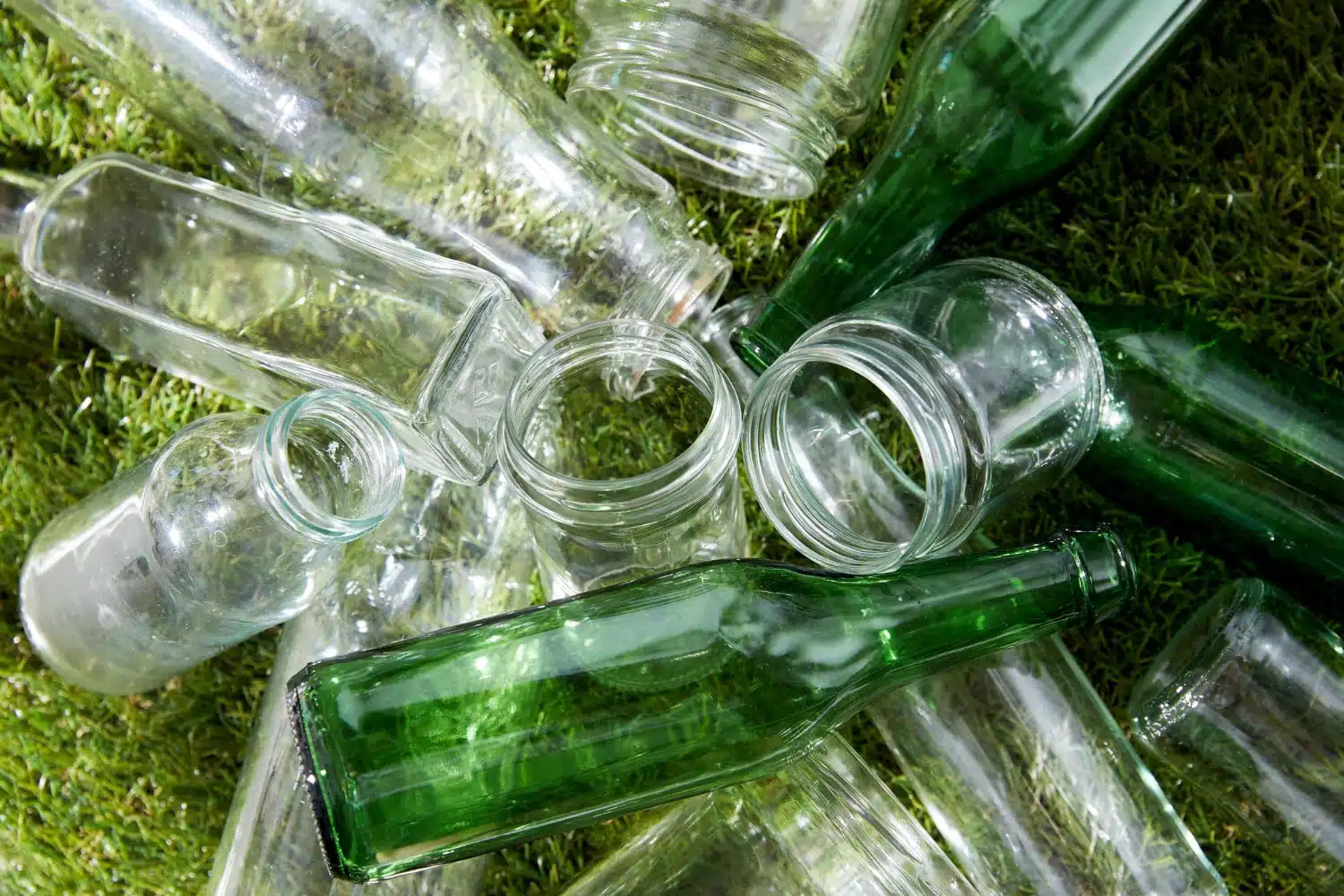
Ecorep - Recycling glass for a sustainable future
Ecorep offers professional solutions for the collection and recycling of glass, a 100% recyclable material and essential to protect the environment. By recycling glass, we contribute to reducing pollution, conserving natural resources and reducing CO₂ emissions. By working with us, you will be supporting a sustainable waste management system and highlighting your company's environmental responsibility.
Contact us to explore our effective glass recycling solutions.